
In a single season, a typical 250 kVA irrigated farm's electricity bill climbed from R408 000 to R539 000, a 32% increase, according to evidence AgriSA submitted to the energy regulator. Load shedding may have ended in 2024, but the relief it brought was short-lived. The crisis has shifted from whether there will be power to what it costs to use it, hitting farms that pump the most water particularly hard.
You cannot control what Eskom charges for a unit of power. You can control how many units your irrigation system needs.
Electricity is becoming a larger part of the cost of moving water. Eskom's generation problems may have eased, but the cost of using electricity has continued to rise. For a farm that depends on pumping thousands of litres of water every day, those increases compound quickly. The more energy the system needs to deliver a given volume of water, the more exposed the operation becomes every time tariffs rise.
What Rising Electricity Costs Mean for Irrigated Farms
Electricity prices have risen substantially faster than general inflation in recent years. The Competition Commission's Cost of Living Report puts the increase at approximately 85% between 2020 and January 2026, compared with around 30% general inflation over the same period.
For an irrigated farm, that difference matters because pumping is not optional. If a block needs water, the pumps need to run.
We have seen this shift the economics of irrigation. A system that was acceptable when electricity was cheaper can become expensive to operate without anything about the farm itself changing.
What This Looks Like on a Farm
Consider that 250 kVA farm mentioned earlier, running for roughly 200 days in a season, a reasonable range for many citrus blocks. At last year's rate, a full day of irrigation cost approximately R2 040. At the new rate, the same day costs approximately R2 695, an extra R655 to deliver the same water with no change to the pumps or the design.
Adjust the season length to match your own operation and the number will move, but the shape of the increase will not.
Two farms can pump the same volume of water and still have very different electricity bills. The difference can come down to pump efficiency, system pressure, pipe sizing, friction losses, operating hours and how the system is controlled. That is why rising tariffs make the efficiency of the irrigation system increasingly important. Every unnecessary unit of electricity becomes more expensive.
Where Irrigation Systems Can Save Energy
When we assess an irrigation system, we not only look at whether it can deliver the required water, we also look at what it takes to deliver that water. There are several places where energy use can creep up.
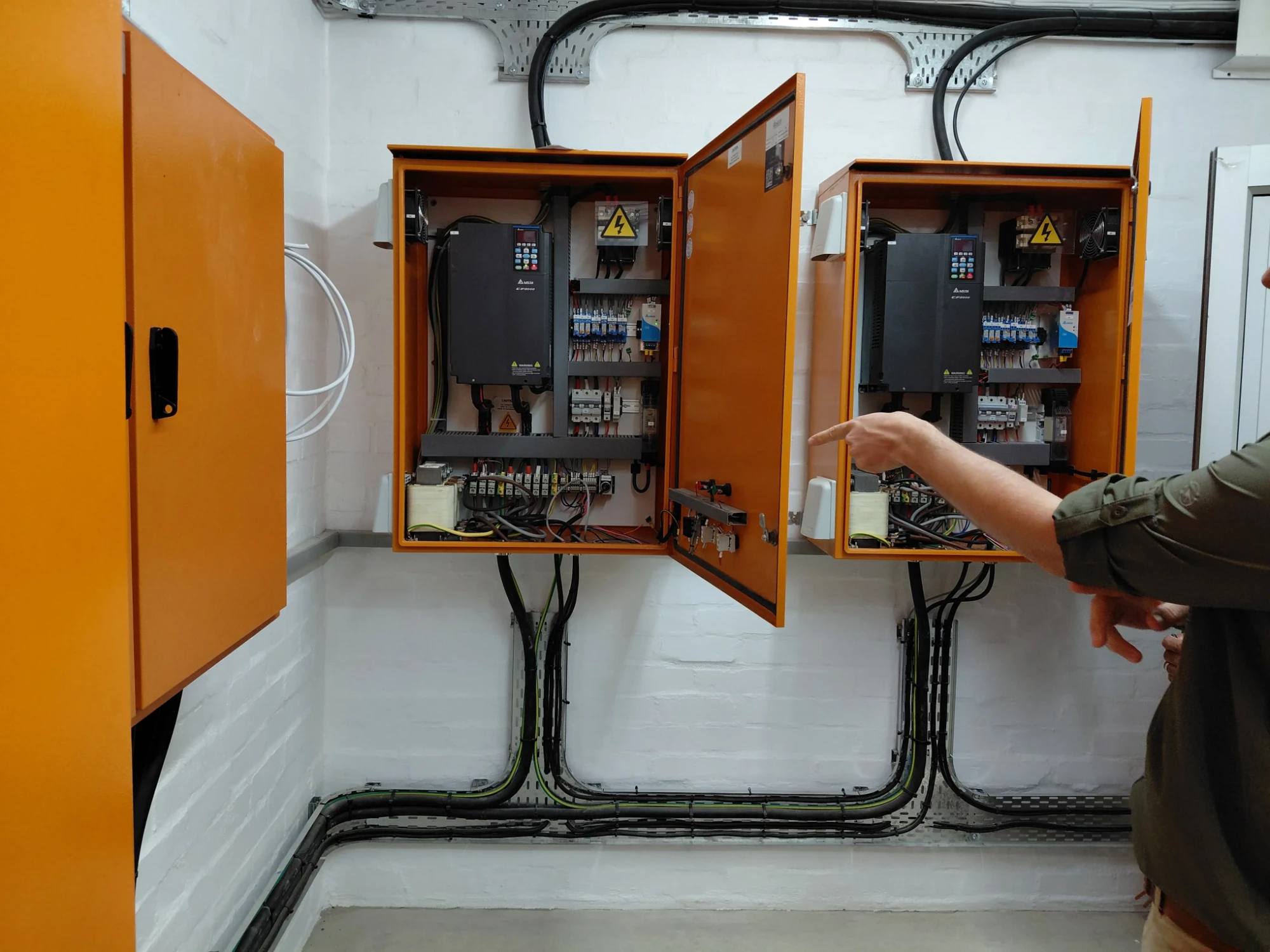
- Match pump capacity to demand. An oversized pump can consume more energy than necessary, particularly when flow is then restricted with valves. Variable speed drives can also allow pump output to match changing demand where the system and operating profile make them appropriate.
- Shift load into cheaper time bands. Eskom's agricultural tariff structures charge less for electricity used outside peak hours. Scheduling pumping into off-peak windows, particularly overnight where storage allows, reduces the cost of the same kilowatt hours.
- Reduce friction losses in the pipe network. Small pipe diameters and poor fittings generate additional pressure a pump has to compensate for. So do layouts that run longer than necessary. That pressure ultimately appears on the electricity bill.
- Treat solar as part of the water system. Solar can make sense for irrigation, but putting panels next to an existing pumping system does not automatically make that system economical. The generation profile, pumping requirements, storage, tariffs, grid connection, and operating schedule all need to work together.
- Measure before you modify. Before replacing pumps or pipework, establish what the system is actually using. The same discipline applies before adding solar. Compare power consumption with flow and pressure, and check it against operating hours too. Without that baseline, it is difficult to know whether an intervention is solving the problem or simply moving the cost elsewhere.
Design for the Cost Base You Will Face
Every measure above is cheaper to consider at the design stage than to retrofit later. Pump sizing and pipe diameter are decisions made when the infrastructure is designed, then carried into the operating cost of the farm for the next twenty or thirty years. System pressure follows the same pattern.
The same applies to energy. If electricity is going to remain a significant operating cost, it needs to be part of the engineering decision from the beginning.
We do not sell equipment, so our irrigation designs are not built around what hardware needs to be sold. We look at what the system needs to deliver and what it will cost to operate over its lifetime.
That is the same lifecycle approach we use when calculating the true cost of an irrigation system.
For existing systems, the sequence is measure, assess, optimise, and retrofit where it is worthwhile. For new systems, energy efficiency belongs in the design from the start.
If your system is already built, a System Assessment shows where it is losing money to inefficiency. If you are planning a new one, Commercial Irrigation Design accounts for energy from day one rather than after the fact. Let's talk.
Frequently Asked Questions
How can I reduce the energy consumption of an irrigation system?
Reducing energy use usually starts with matching the pump to demand and cutting pressure losses in the pipe network. Shifting pumping into cheaper time bands can add a further saving. Other factors include pump efficiency, pipe sizing, system pressure and operating hours.
How do I know if my irrigation pump is using too much electricity?
The clearest warning sign is a bill that keeps climbing without a corresponding change in irrigated area or operating schedule. The water delivered typically has not changed either. Beyond that, the reliable way to assess pump efficiency is to measure power draw against flow and pressure. Compare those measurements with operating hours rather than assuming a pump is performing efficiently because it still delivers water. A pump can move the same volume while drawing considerably more power than it should.
Does solar make sense for agricultural irrigation?
It can, particularly because irrigation demand and solar generation both peak in summer. The business case depends on the whole system rather than the panels alone. Storage capacity and the ability to shift pumping into daylight hours both affect the payback period, and so do the fixed grid charges that remain even after installation. Solar tends to work best when it is planned alongside the pumping strategy, not added onto an existing one.
How do I calculate the electricity cost of pumping water for irrigation?
At a basic level, it comes down to how much power the pump draws and how many hours it runs. Multiply the measured power consumption by the number of operating hours and the applicable tariff rate for that time of day. The worked example above, based on a 250 kVA connection over a typical citrus season, shows how a national tariff increase translates into rand per day of irrigation. The same approach works for any pump size or season length once actual power consumption is measured rather than assumed.
Is it cheaper to improve an existing irrigation system or install a new one?
It depends on how far the existing system is from where it needs to be, and that is usually not obvious without measuring it first. A system with the wrong pump size or significant pressure losses can often be corrected at a fraction of the cost of a full redesign. Where the layout itself is the constraint, retrofitting may no longer be cost-effective and a new design can become the better investment. The only way to know which situation applies is to assess the system rather than guess.
How can I measure the energy efficiency of my irrigation system?
Compare the power the pump draws against the flow and pressure it delivers. Then check that against how many hours it runs. A system operating efficiently uses power in proportion to the work it is doing, so a pump drawing more power than its duty requires is losing money somewhere in the system. That comparison, done properly, is what a system assessment establishes.